
Mercedes-Benz vs. BMW Reliability: What Birmingham Drivers Should Know
- BMW edged Mercedes-Benz in the 2025 J.D. Power Vehicle Dependability Study, and both ranked above industry average.
- Mercedes-Benz emphasizes comfort and long-haul durability; BMW prioritizes performance—consistent maintenance is the key for either brand.
- Birmingham drivers should match the brand to daily driving style and follow the manufacturer’s service schedule to control long-term costs.
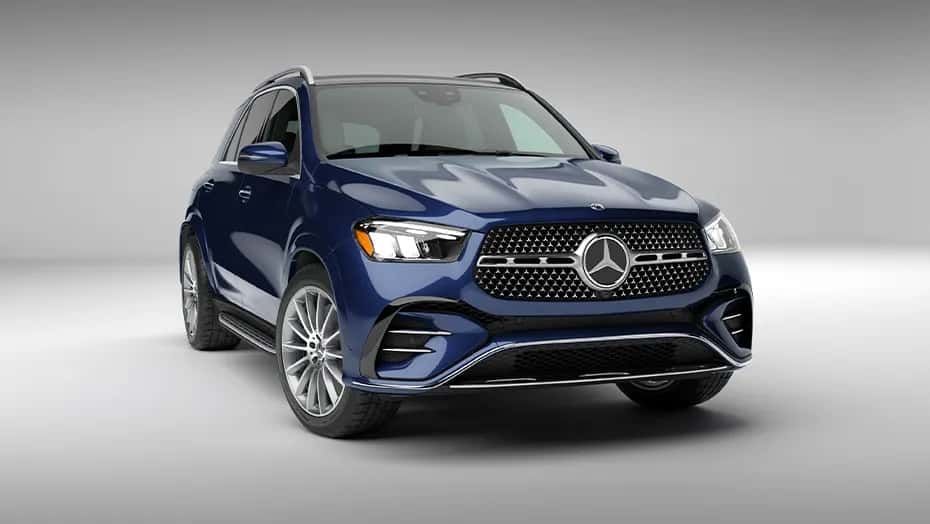
Picking between Mercedes-Benz and BMW often comes down to personal preference, but for most folks, reliability is a major factor. Both brands rule the luxury market, with each one offering something different. BMW builds cars for drivers who crave performance and fun. Mercedes-Benz targets buyers who prioritize comfort, refinement, and the latest tech.
Birmingham drivers shopping for a luxury car should understand how these brands compare in terms of reliability. Maintenance requirements, build quality, and long-term durability directly affect costs and ownership experience over time. Let’s break it down so you can figure out which brand works better for you.
Why Reliability Matters in a Luxury Vehicle
Luxury cars cost more, so it makes sense to expect more. Buyers are not just after the fancy badges or the most coveted creature comforts. Most folks want their Mercedes or BMW to last for the long haul without issues. Reliability adds peace of mind, and it often saves you money in the long run. Both Mercedes-Benz and BMW have a reputation for producing high-quality luxury vehicles, but how do they hold up as they rack up the miles? Let’s dig in.
Engineering Differences That Affect Longevity
Both brands are celebrated for their German precision engineering prowess. However, their core philosophies differ significantly. Mercedes-Benz focuses on reliability and often builds components that seem over-engineered for resilience. Their emphasis on a smooth ride translates to less strain on the suspension, which helps parts last longer. Their diesel engines can rack up impressive mileage with proper care.
BMW chases the “Ultimate Driving Machine” feel. Their vehicles use complex systems finely tuned for sharp handling and quick response. This creates an amazing driving experience. It also means certain parts need more attention as the car ages. The cooling system is a good example. Still, BMW engines hold up well when you keep up with routine care.
A key distinction lies in their suspension design. Mercedes-Benz’s front suspension design has earned a reputation for exceptional durability. Many owners refer to it as “eternal” because the design shifts the load to a support beam rather than the body. This contributes to the brand’s reputation for building cars that last. While BMW’s rear suspension is exemplary, its front structure is often more susceptible to wear on rough roads.
Maintenance Costs and Service Schedules
The cost of ownership is a critical factor in the reliability debate. Both brands come with premium maintenance and repair expenses. There is no getting around that. Even basic repairs or oil changes are more expensive on these cars compared to most brands. BMW parts usually cost a bit more than Mercedes parts, but the difference is small. Additionally, both brands require premium gas, and you will want trained technicians for most jobs.
Mercedes vehicles typically have longer gaps between major services, at least for non-AMG® models. This can make maintenance feel less demanding. BMW’s performance focus means more frequent checks on certain parts. Turbocharged engines, and M models in particular, require extra attention. Either way, following the manufacturer’s recommended service schedule prevents minor issues from becoming major repairs.
Common Long-Term Ownership Trends
High-mileage Mercedes-Benz cars are everywhere. On average, a well-maintained Mercedes-Benz can last 200,000 to 250,000 miles, with many vehicles exceeding this range. The brand’s focus on solid construction means core mechanical parts last.
BMWs can also go the distance, though the experience differs. Performance parts may need more attention as miles add up. Cooling systems and complex electronics sometimes act up in older examples. Proactive maintenance keeps these issues in check. For drivers who love the BMW experience and maintain their cars properly, they stay rewarding for years. The brand’s reputation for more frequent breakdowns is often linked to the aggressive driving style its cars inspire.
Technology is a wildcard for both brands. Advanced infotainment systems, driver assists, and digital displays add complexity. More systems mean more potential problems. Mercedes-Benz often pioneers new luxury tech, which sometimes leads to software bugs in a model’s first year. Waiting a year or two into a production cycle helps you avoid early issues with either brand.
Top Tips for Extending the Lifespan of Your Luxury Car
Owning a luxury car reflects your appreciation for performance, comfort, and quality. Here are some proven tips to help maintain their value and keep them in peak condition:
Find a Specialist
Select a technician who is familiar with your specific brand and model. Building a relationship with a competent mechanic means they understand your vehicle’s needs and provide better care. Chain shops lack the expertise that luxury cars demand.
Pay Attention to Warning Signs
Strange noises, vibrations, or dashboard warning lights mean something needs attention. Your car communicates problems through these signals. Have a trusted mechanic inspect any issues promptly, so minor problems do not escalate into major issues.
Keep up With Seasonal Checks
Seasonal changes bring their own set of challenges. In Birmingham, hot summers and stormy weather can be tough on cars. A quick check before each season starts can keep you moving.
Keep It Clean
Regular washing protects paint from dirt, grime, and sun damage. Hand washing works best, though professional washes a few times a month help maintain the finish. Clean the interior regularly to remove dust, crumbs, and spills.
Which Brand Fits Birmingham Drivers Best
For drivers in Birmingham, it mostly depends on your day-to-day routine. If you sit in city traffic often and want a calm, smooth ride, Mercedes-Benz is a great fit. The cabins are quiet, the seats are comfortable, and it feels relaxing whether you are headed to work or taking a trip across the state. On the other hand, if you look forward to every drive and want that “locked-in” feeling on winding roads, BMW hits the mark. It is hard to match their focus on driving enjoyment.
Making a Confident Luxury Purchase at Mercedes-Benz of Birmingham
Both Mercedes-Benz and BMW earn their stripes in the luxury scene. However, Mercedes-Benz strikes a strong balance between comfort and performance, while BMW leans more toward driver-focused performance. Do your homework, take each for a test drive, and see what fits your needs best. Give us a call to schedule your test drive or check out the current lineup online.
Frequently Asked Questions
Are maintenance costs different between the two?
They’re similar. BMW parts can be slightly more expensive on average, but differences are small. Using trained technicians and following the factory schedule has a bigger impact on long-term costs.
How many miles can these cars last with proper care?
A well-maintained Mercedes-Benz commonly reaches 200,000–250,000 miles (and beyond), and many BMWs go the distance too when proactively maintained—especially cooling and electronics as the miles add up.
Is it smarter to buy new or Certified Pre-Owned (CPO)?
CPO vehicles add warranty coverage and inspection benefits that reduce risk on higher-mileage luxury cars. New models give you the latest tech and full warranty—choose based on budget and ownership plans.