
Leasing vs. Buying a Mercedes-Benz in Birmingham
- Leasing offers lower monthly payments by covering only the vehicle’s depreciation.
- Buying builds long-term equity and eliminates mileage restrictions for high-distance drivers.
- Lease terms typically align with factory warranties, minimizing unexpected repair costs.
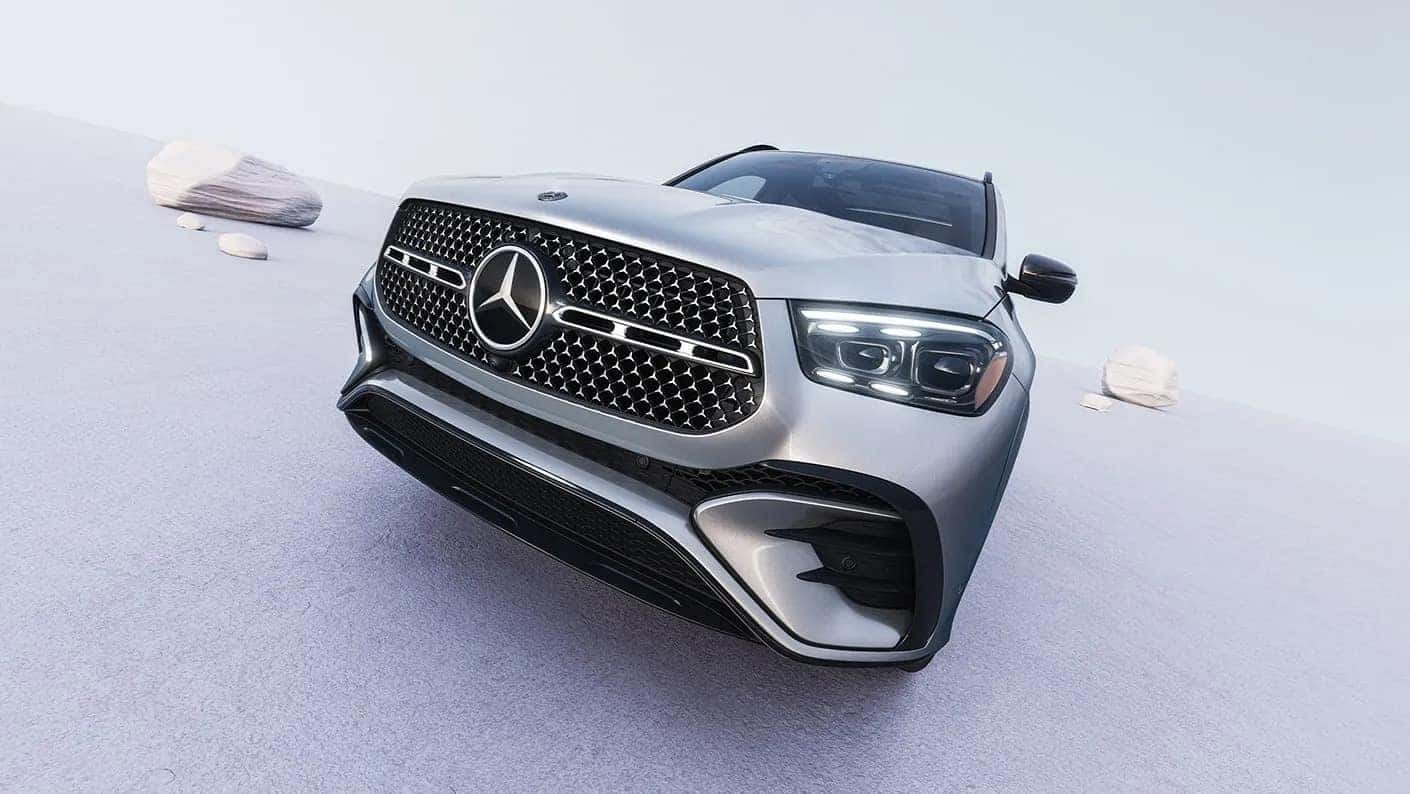
Choosing between leasing and buying a Mercedes-Benz ranks among the biggest financial decisions you’ll face when pursuing a luxury vehicle. At our dealership, we walk Birmingham customers through this choice every day. There’s no universal “right” answer. It depends on how you drive, what you value financially, and where your lifestyle is headed. Before you explore our new Mercedes-Benz inventory, understanding these fundamental differences will help you decide with confidence.
Understanding the Basics: Leasing vs. Buying a Mercedes-Benz
The core difference between leasing and financing comes down to ownership and payment structure. Leasing is long-term rental for a set period (usually two to three years) where you pay for the depreciation during your time with the car. You never actually own it, but you get lower monthly payments and the freedom to drive something new every few years.
Buying means you’re working toward full ownership, whether you finance or pay cash. Your monthly payments cover the vehicle’s entire value plus interest, not just depreciation. Once you finish your loan, that Mercedes-Benz belongs to you completely. Keep it, modify it, sell it. Your call.
Both paths get you into the same vehicles, from the sporty C-Class to the roomy GLE. Leasing focuses on flexibility and keeping short-term costs down. Buying is about long-term value and eventually having real equity.
Financial Considerations: Payments, Costs, and Long-Term Value
Monthly Payments and Upfront Costs
When comparing finance versus lease options, monthly payments usually favor leasing by a wide margin. Since you’re only covering depreciation (the gap between current value and what it’ll be worth at lease end), your monthly obligation stays much lower than a purchase loan covering the vehicle’s full price.
Upfront costs work similarly. Leasing typically demands less cash at signing, while buying often requires larger down payments that can reduce your loan amount and monthly payments. This makes leasing especially attractive if you’d rather keep capital available for other investments or expenses.
But here’s what we always tell customers: look past that monthly payment. When you buy, each payment builds equity. When you lease, you’re paying for the privilege of driving during the car’s highest-value years, but you walk away empty-handed unless you decide to purchase at the end.
Total Cost of Ownership Over Time
|
Aspect |
Leasing |
Buying |
|
Monthly Payments |
Lower (covers depreciation only) |
Higher (covers full vehicle value) |
|
Upfront Costs |
Lower due at signing |
Potentially higher |
|
Maintenance |
Often warranty-covered |
Owner responsibility after warranty |
|
Mileage |
Annual limits (customizable; typically 10,000–15,000 miles, with options from 7,500 to 20,000 miles) |
No restrictions |
|
End of Term |
Return vehicle or purchase |
Full ownership with resale option |
|
Customization |
Restrictions apply |
Full freedom |
Keep a purchased Mercedes-Benz past your loan term (think seven to ten years), and you eliminate monthly payments completely while still driving a well-maintained vehicle. That creates serious long-term savings that leasing can’t match since lease payments never stop unless you exit the cycle entirely.
Standard two- to three-year leases typically keep you within Mercedes-Benz’s 4-year/50,000-mile warranty coverage, minimizing surprise repair costs, though longer lease terms may eventually extend beyond warranty coverage. You’re also protected from depreciation headaches since you return the vehicle instead of dealing with resale. Our finance team can help you apply for financing to run numbers on both scenarios based on your specific situation.
Benefits of Leasing a Mercedes-Benz
Leasing offers compelling perks. Lower monthly payments free up cash for other priorities while still putting you behind the wheel of exceptional vehicles loaded with the latest technology and safety features.
Lower Monthly Payments
Standard two- to three-year leases keep you within Mercedes-Benz’s factory warranty coverage, so maintenance and repair costs stay minimal and predictable.
Warranty Coverage Throughout Your Lease
Driving something new every two to three years keeps you in the newest models without the hassle of selling or trading your previous car. Just return your leased vehicle and pick your next Mercedes-Benz. This appeals to people who want updated technology, fresh styling, and the latest driver assistance systems.
Always Drive the Latest Technology
Lease programs build in flexibility at the end. You can buy the vehicle at its predetermined residual value if you’ve gotten attached, return it and walk away, or lease something else entirely. This optionality becomes valuable as your needs shift over time.
Flexibility at Lease End
Tax advantages might also come into play for business owners who can potentially deduct lease payments as business expenses, though we always suggest checking with your tax advisor for personalized guidance.
Benefits of Buying a Mercedes-Benz
Ownership brings compelling advantages that resonate with many of our customers. Whether buying makes sense often depends on how much you value long-term financial benefits and complete driving freedom.
Build Real Equity Over Time
Building equity stands out as buying’s biggest advantage. Every payment increases what you actually own until the vehicle is fully yours. At that point, you can drive payment-free for years, sell it and recover some investment, or trade it toward your next Mercedes-Benz.
No Mileage Restrictions
Zero mileage restrictions mean you can drive however much you want without stressing about excess mileage fees. High-mileage drivers who routinely exceed 15,000 miles annually often find buying more economical than paying per-mile charges on a lease.
Complete Customization Freedom
Complete customization freedom lets you personalize your Mercedes-Benz exactly how you want (upgraded wheels, performance modifications, cosmetic changes) without restrictions. Lessees face limitations since they must return vehicles in nearly original condition.
Pride of Ownership
Pride of ownership matters too. Knowing the vehicle is genuinely yours creates a different relationship with it. You can keep it as long as you want, whether that’s five years or twenty.
Consider Certified Pre-Owned
For those considering alternatives to brand-new vehicles, our selection of certified pre-owned Mercedes-Benz vehicles offers another buying route that balances value with Mercedes-Benz’s strict certification standards.
Key Factors That Should Guide Your Decision
Your Driving Habits and Annual Mileage
Your odometer tells a crucial story when deciding between leasing and buying. Lease agreements include an annual mileage allowance, typically between 10,000 and 15,000 miles, though Mercedes-Benz Financial Services offers customizable options ranging from 7,500 to 20,000 miles per year depending on your needs. Those excess mileage charges pile up fast if you regularly commute long distances or take frequent road trips.
We help customers calculate their actual annual mileage by looking at past driving patterns. If you consistently drive more than 15,000 miles yearly, buying usually makes better financial sense. The freedom to drive without restrictions eliminates the stress of watching your odometer and potentially facing hefty fees when your lease ends.
Drive fewer miles than your chosen annual mileage allowance? Leasing becomes much more attractive. The key is matching your actual driving habits to the right mileage plan upfront.
How Long You Typically Keep a Vehicle
Think about your track record: Do you enjoy driving the same car for many years, or do you prefer something new every few years?
Leasing fits perfectly with customers who like keeping vehicles under three years. You’ll always drive under warranty, enjoy the latest features, and avoid the steepest depreciation. When your lease ends, you just move to your next vehicle without the headaches of selling or trading.
Buying makes more sense if you typically keep vehicles beyond three years. The longer you own a Mercedes-Benz after paying off your loan, the more value you squeeze from your initial investment. Customers who drive vehicles seven to ten years often achieve the lowest overall cost per year of ownership.
Upgrade Frequency and Customization Preferences
How much you want frequent upgrades heavily influences whether leasing or buying makes sense. Technology moves fast, and Mercedes-Benz consistently rolls out innovations in driver assistance, infotainment, and performance. Leasing puts you on a regular upgrade schedule, ensuring you always experience the newest capabilities.
This particularly matters with luxury vehicles, where features like advanced driver assistance systems, connectivity options, and efficiency improvements can change dramatically in just a few model years.
Customization preferences point the opposite direction. If you’re imagining performance upgrades, custom wheels, wrap finishes, or major modifications, buying gives you the freedom to make your Mercedes-Benz truly yours. Lease agreements restrict modifications since you’ll eventually return the vehicle, and any changes typically need to be reversed at your expense.
Note that some modifications may result in excess wear and use charges at lease return regardless of reversal, so always check with our finance team before making any changes to a leased vehicle.
What Happens at the End: Lease Return vs. Ownership Options
Understanding end-of-term scenarios prevents surprises and influences your initial choice.
What to Expect at Lease Return
Lease returns involve an inspection where the leasing company checks the vehicle’s condition. Normal wear and tear is expected, but excessive damage, missing equipment, or mileage overages result in additional charges. We prepare customers for this process months before their lease ends.
Your Four Options at Lease End
You’ve got three main options when your lease ends: return the vehicle and walk away (subject to condition and mileage standards), purchase it at the predetermined residual value established when you signed, extend your current lease, or return it and lease a new Mercedes-Benz. This flexibility proves valuable as your circumstances evolve.
Understanding Residual Value and Lease Buyouts
The residual value (what the vehicle should be worth at lease end) represents what you’d pay to buy out your lease. Sometimes this creates opportunity. If the vehicle’s actual market value exceeds the residual value, purchasing the lease can be smart. Our team can help you assess whether a lease buyout makes financial sense.
What Happens When You Own Outright
Ownership follows a completely different path. Once you make that final payment, you get the title and own the vehicle outright. You decide whether to keep driving payment-free, sell it privately or to a dealer, or trade it toward another vehicle. The money factor (leasing’s version of an interest rate) no longer applies, and you’re free from all financing obligations.
Making the Most of Long-Term Ownership
The capitalized cost, which is the negotiated price your lease was based on, becomes irrelevant once you own the vehicle. Your focus shifts to maintaining its value if you plan to eventually sell, or just enjoying payment-free driving if you intend to keep it long-term.
Explore Your Lease and Finance Options at Mercedes-Benz of Birmingham
Making Your Decision
Making the lease or buy decision doesn’t need to feel overwhelming. Our Birmingham finance specialists work with you to analyze your specific situation (how you drive, your budget, timeline, and preferences) to recommend the approach that genuinely serves your interests.
We present both leasing and buying options transparently, walking through payment scenarios, total cost projections, and what happens at the end. Whether you’re drawn to leasing’s lower payments and flexibility or ownership’s long-term value and freedom, we’ll help you understand exactly what to expect.
The advantages of ownership versus leasing depend on individual circumstances. Our goal is helping you identify which path matches your financial goals and how you actually live.
Get Started Today
Current offers, interest rates, and lease terms change regularly, and qualification depends on various factors including credit history and down payment. We encourage you to contact our team to discuss your situation and explore what’s available. Our finance specialists are ready to guide you through this process with the expertise and transparency you deserve.
Frequently Asked Questions
How many miles can I drive annually on a Mercedes-Benz lease in Birmingham?
At Mercedes-Benz of Birmingham, lease agreements are customizable to your driving habits. Standard allowances typically range from 10,000 to 15,000 miles, but options are available from as low as 7,500 to as high as 20,000 miles per year.
Can I buy my Mercedes-Benz at the end of the lease term?
Yes. You have the option to purchase your vehicle at its predetermined residual value. This is often a smart move if the market value of your Mercedes-Benz is higher than the buyout price set at the start of your lease.
Is it better to buy or lease if I drive more than 15,000 miles a year?
If you frequently travel across Alabama or have a long commute, buying is generally more economical. Ownership eliminates the risk of excess mileage fees that can accumulate quickly at the end of a lease term.
Are there tax benefits to leasing a luxury car for my business?
Many Birmingham business owners find that lease payments can be deducted as a business expense. We recommend consulting with your tax advisor to see how leasing a Mercedes-Benz impacts your specific tax situation.